
From longtime traditions and campus favorites to new experiences across Savannah, Homecoming brings Tigers from every generation together for a week celebrating the people, places and memories that make SSU home. Explore the full lineup and start planning your week at The S.H.O.W.
Civil Engineering Technology
The Civil Engineering Technology (CET) Curriculum will help students gain the practical skills and technical knowledge in civil systems to design , analyze, and maintain modern engineering solutions.
Civil Engineering Technology (CET) is a 4-year ABET – accredited program requiring 120 credit
hours, with students completing 15 credit hours per semester
College & Schools
Engineering Technology and Computing
Program Type
Major, Minor
Accreditation
Engineering Technology Accreditation Commission of ABET, https://www.abet.org
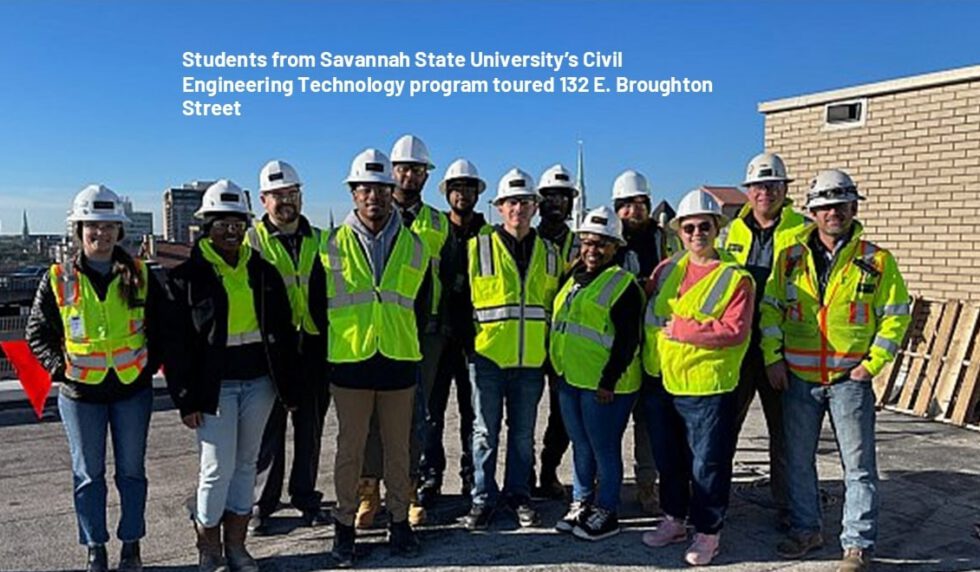
Civil Engineering Technology
The Bachelor of Science in Civil Engineering Technology program is accredited by the Engineering Technology Accreditation Commission of ABET, https://www.abet.org, under the commission’s General Criteria and Program Criteria for Civil Engineering Technology and Similarly Named Programs.
Course Overview
The Civil Engineering Technology curriculum provides instructions in environmental systems, structural design systems, highway and transportation design, construction estimating and management, civil engineering materials, surveying, utilization of engineering software packages, and AI engineering solutions that prepare students for engineering careers.
Civil Engineering Technology, BS
Civil Engineering Technology, Minor
$83,363
Average Salary
Civil Engineering Technology Alumni
CAREERS IN CIVIL ENGINEERING TECHNOLOGY
Graduates of the Civil Engineering Technology Program are prepared for careers in:
Structural Engineer Designer
Designs structural systems for buildings, bridges, and infrastructure projects. Prepares structural calculations, drawings, and specifications; performs structural analysis; and ensures compliance with applicable codes, standards, and project requirements. Coordinates with project teams during design and construction to support safe, efficient, and cost-effective project delivery.
Highway and Transportation Engineering
Plans, designs, and oversees the construction, operation, and maintenance of highways, roads, intersections, bridges, drainage systems, and related transportation infrastructure. Performs roadway geometric design, traffic and safety analysis, pavement evaluation, construction administration, and project management to ensure safe, efficient, and cost-effective transportation facilities.
Construction Management and Estimator
Manages and estimates construction projects, including preparing quantity takeoffs, cost estimates, budgets, and bid proposals, while overseeing project scheduling, contract administration, construction activities, and project closeout. Ensures projects are completed safely, on time, within budget, and in accordance with plans, specifications, and regulatory requirements. Responsible for cost control, change order evaluation, contractor coordination, and project performance monitoring.
Geotechnical Engineer
Evaluates soil, rock, and groundwater conditions for infrastructure and construction projects. Performs geotechnical analysis and develops recommendations for foundations, retaining walls, slopes, embankments, earthwork, and pavement systems to ensure safe, stable, and cost-effective designs.
Materials Tester
determines mechanical properties of materials used in the erection of structures and highways.
Surveyor
Supervises and directs an engineering survey crew, ensuring the accuracy and quality of survey data. Oversees survey activities such as boundary, topographic, construction staking, route alignment, control, right-of-way, and as-built surveys to determine locations, elevations, lines, areas, and contours for construction, mapping, land development, mining, and other engineering projects.
Environmental Engineer
Plans, designs and monitors water, wastewater and other environmental pollution control systems.
POTENTIAL JOB TITLES/ EMPLOYERS
Highway Engineer
Surveyor
Transportation Engineer
Traffic Engineer
Construction Estimator
Construction Manager
Geotechnical Engineer
Material Testing Engineer
Structural Engineer
Environmental Engineer
Water Resource Engineer
Pollution Control Engineer
City Engineer
County Engineer
Potential Employers:
GDOT
Chatham County Engineering Department
City of Savannah
Corps of Engineers
Georgia Ports
Gulfstream
Hyundai Motor Group Meta Plant America
US Military
Terracon Consultants Inc.
Thomas and Hutton Engineering
Lockheed Martin
CSX
Federal Highways
Choate Construction Company
Surveyor
Transportation Engineer
Traffic Engineer
Construction Estimator
Construction Manager
Geotechnical Engineer
Material Testing Engineer
Structural Engineer
Environmental Engineer
Water Resource Engineer
Pollution Control Engineer
City Engineer
County Engineer
Potential Employers:
GDOT
Chatham County Engineering Department
City of Savannah
Corps of Engineers
Georgia Ports
Gulfstream
Hyundai Motor Group Meta Plant America
US Military
Terracon Consultants Inc.
Thomas and Hutton Engineering
Lockheed Martin
CSX
Federal Highways
Choate Construction Company
