The BA in Mass Communications prepares students for careers as skilled storytellers, strategic communicators, multimedia journalists, and content creators. The program provides a strong foundation in journalism, public relations, strategic communication, and multimedia and digital communication.
Designed with career readiness at its core, the curriculum integrates strategic communication, media writing, digital production, and audience analysis to reflect real industry practice. Students gain hands‑on experience producing professional content, developing communication strategies, and managing projects that mirror today’s media workplaces.
Graduates enter the field with practical skills, a polished portfolio, and the professional competencies needed to inform, persuade, and engage diverse audiences across modern communication platforms.
The Department of Journalism and Mass Communications prepares students for careers in all areas of mass communications.
The Department of Journalism and Mass Communications (JMC) offers courses leading to a baccalaureate degree (B.A.) with a strong foundation in journalism, public relations and strategic communications, or multimedia and digital communications. In addition to getting skills in all three areas, students can choose to focus on the following areas in the form of certificates or professional certifications:
BA in Mass Communications
BA in Mass Communications + Social Media Certificate
Ba in Mass Communications + Public Relations and Public Affairs Certificate
BA in Mass Communications + Film Certificate
BA in Mass Communications + Film & Television Production (Georgia Film Academy)
BA in Mass Communications + Film & Television Post-Production (Georgia Film Academy)
BA in Mass Communications + Digital Entertainment, Esports & Game Development (Georgia Film Academy)
The department offers courses in multimedia publishing, photography for multimedia, multimedia production, public relations, non-linear editing, web design, copy editing, social media, TV production, new media, law and ethics, African Americans in the media, to name a few. For the complete list of courses, click here.
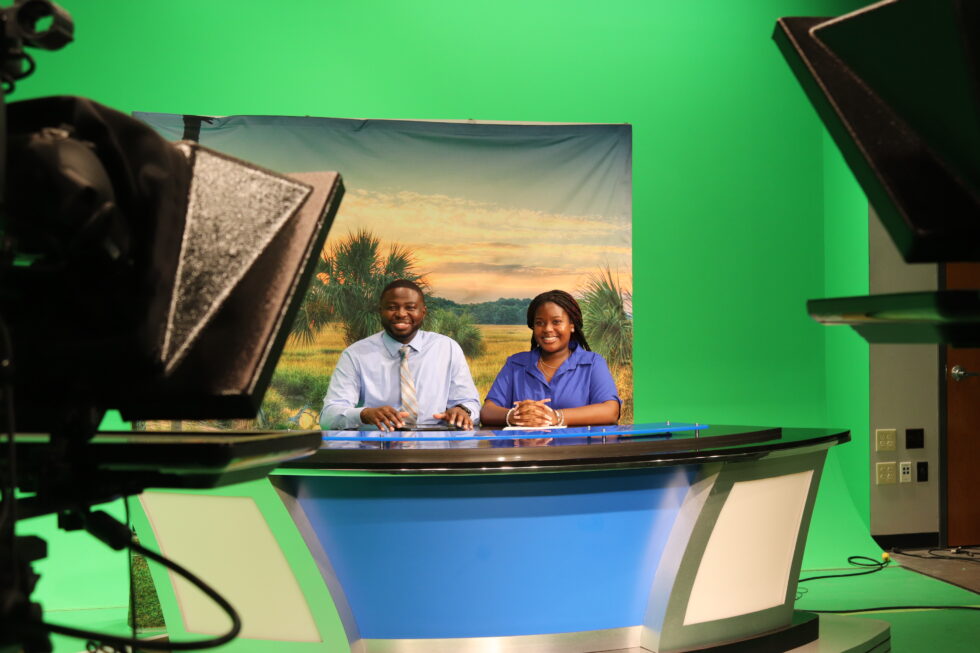
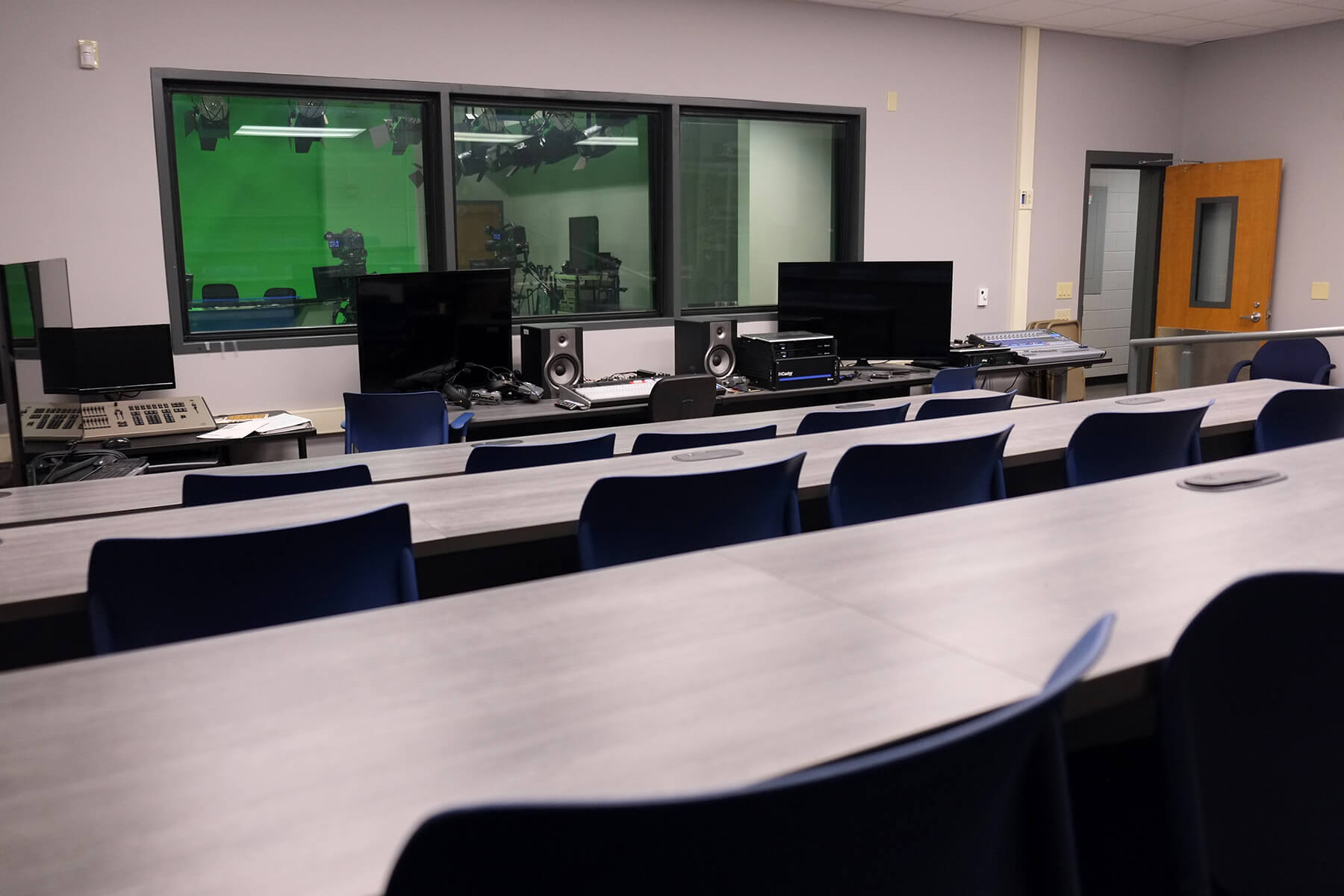
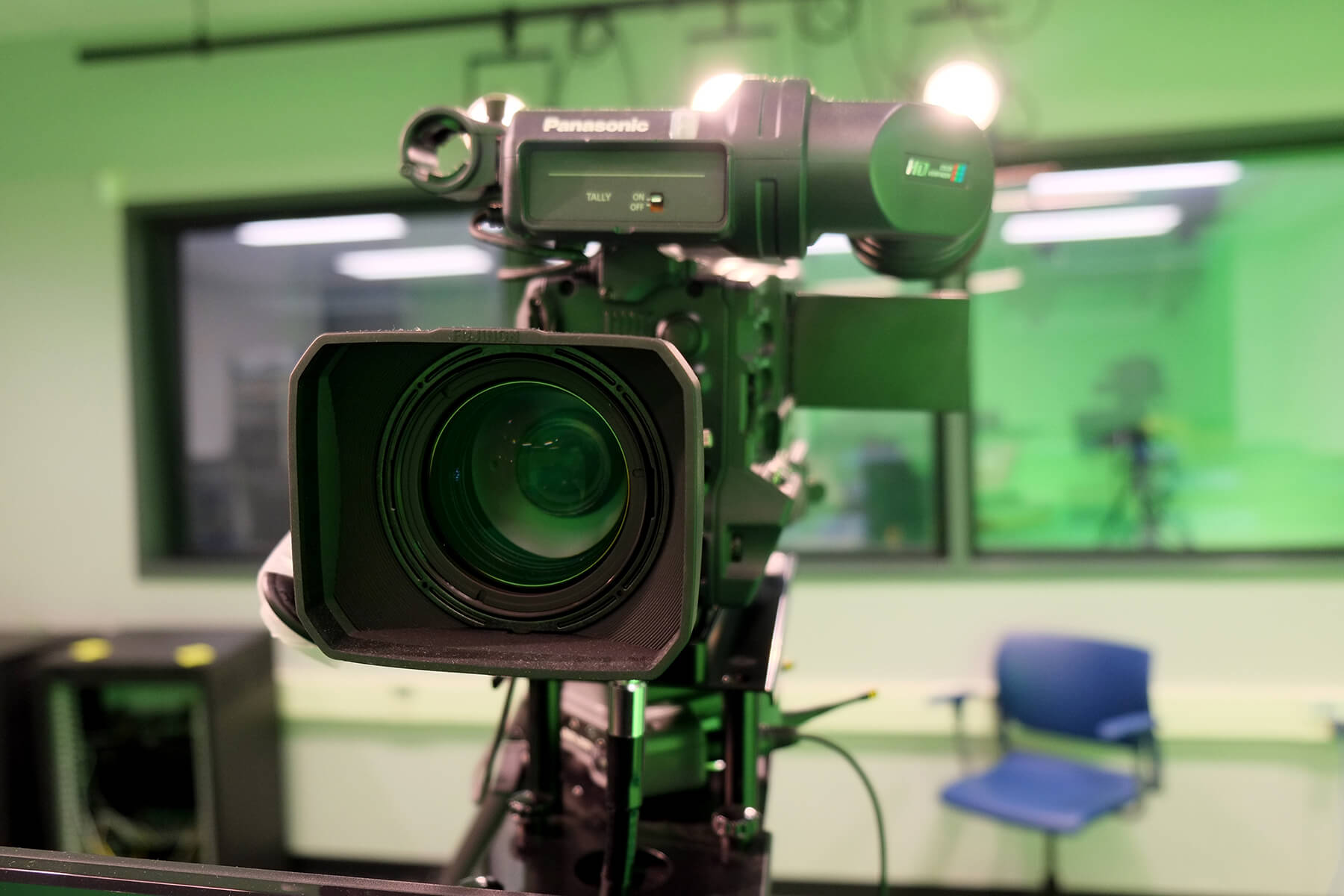
Students will have many opportunities before graduation to develop professional skills. JMC offers a fully functional television production studio and control room, Tiger’s Roar, SSU’s award-winning student newspaper, a converged student media center, and a podcast station. JMC also offers public relations and advertising experience in and out of the classroom through internships, volunteer opportunities, a student-led PR agency, and classroom projects.
Students also have the opportunity to engage with professional organizations, including the Public Relations Society of America (PRSSA), and the Mass Communication Student Association (MCSA), among others.
Faculty
Full-Time Faculty
Serajul I. Bhuiyan (Ph.D. in Mass Communications, University of Wisconsin-Madison; M.B.A., Texas University-Texarkana) has 36 years of teaching and administrative experience as a full professor and administrator at various universities in the United States and other countries. Notable interviews included those with President Jimmy Carter, Dr. Mahathir Mohamad, former Prime Minister of Malaysia, and Nobel Laureate Dr. Muhammad Yunus. He has served as a consultant and faculty developer, and his research interests include communications, technology, and teaching effectiveness.
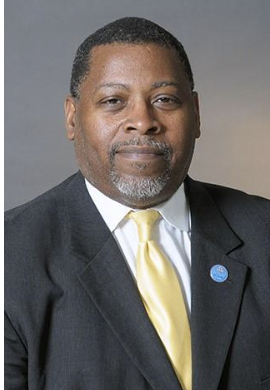
Reginald Franklin (M.A. in telecommunications, University of Michigan, Ann Arbor) has over 10 years of professional broadcasting experience, including three years at CNN. As a consultant, he has produced, directed, shot, and edited seven documentaries or training videos. Topics have included urban redevelopment, breast cancer, a walking tour of a historic cemetery, and SSU’s legacy. Clients range from Savannah (GA),Hinesville (GA), Savannah State University, Jepson Center for the Arts, Savannah’s Second Baptist Church, and chaplains of the Savannah-Chatham County police department.
David Marshall(Ph.D.,APR, Temple University, media and communication; MJ,Temple University) is the Inaugural dean of the College of Media, Arts, and Communication at Savannah State University. With over two decades of executive leadership in higher education, he has served as dean, president, and vice president across multiple institutions, including Morgan State University and the International College of the Cayman Islands. A former television news anchor and reporter, he has earned accolades, including PR News’ Outstanding HBCU Educator of the Year.
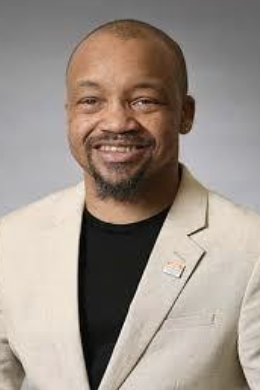
William Martin (M.A. in professional communications and leadership, Georgia Southern University) has 15 years of professional experience in the television industry. Martin is an award-winning documentary filmmaker who recently directed the documentary Feed the Hungry. As the owner of Seriousways Multimedia, Mr. Martin has created engaging content for clients like Delta Sigma Theta and the Savannah Tribune. Previously, as chief editor at WSAV, he oversaw live news broadcasts and edited video content, honing his expertise in the field.
Rachael Shaner (M.S. in strategic communications, Agnes Scott College) is a lecturer of Journalism and Mass Communications at Savannah State University. She has experience in recording engineering and music publishing. She previously served as the operations director for the Democratic Party of Georgia, with a focus on progressive human rights initiatives. Her journey includes founding The UnderGo, a nonprofit that enhances arts education and literacy accessibility, as well as working as a journalist for the Savannah Morning News.
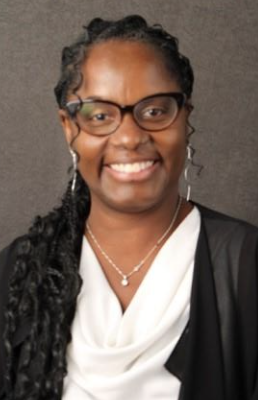
Juliana Maria (da Silva) Trammel (Ph.D. in communication and culture, Howard University; M.A. in public communication, American University) has more than 20 years of experience in higher education professorship and administration. An award-winning scholar, Dr.Trammel has published widely on the intersection of communication, new media, and race, both in the United States and Brazil. Dr. Trammel is an expert in curriculum development and assessment and has practiced PR as a social advocate on Capitol Hill and served as a fellow for the United Nations Association.
Part-Time Faculty

Adam Van Brimmer(B.A., Ohio University, journalism) is a seasoned journalist and newsroom leader with two decades of experience in sports, business, politics, and local government. He serves as a senior reporter and bureau chief at the Atlanta Journal-Constitution. He previously guided the Savannah Morning News as senior editor and columnist. He grew subscriptions from 1,600 to 7,900 and coordinated cross-site coverage. He is a Gannett Leadership Academy graduate.
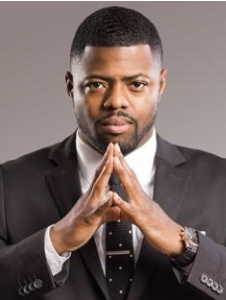
Dean Chambers (MFA, Full Sail University, media design) is a seasoned advertising and branding specialist with expertise in visual storytelling, graphic design, and brand photography. He currently serves as the Visual Communications Managerfor the City of Miami Beach. His award-winning work spans government, education, and freelance sectors, including magazine design, city-wide branding, and multimedia campaigns. Known for elevating brand identity through innovative design, he is also a Toastmasters leader and a frequent contributor to professional development conferences.
Joey Lamar (MA, Indiana University, sports journalism) is a seasoned Sports Director and journalist with over a decade of experience in broadcast media. Mr. Lamar has led sports coverage in Georgia, Florida, North Dakota, and Montana, producing engaging content for high school, college, and professional sports. He’s known for creating innovative shows like “Friday Night Football Frenzy” and “After the Whistle,” mentoring reporters, and covering major events, including the Masters and NCAA tournaments. His storytelling and leadership continue to elevate sports journalism across diverse markets.
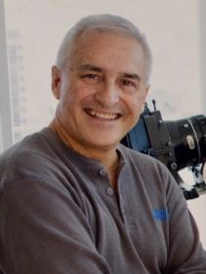
Cesare Giovanni Fabietti(M.A., University of Central Florida, career workforce education)is a film professional with a sharp eye for storytelling and production logistics. Renowned for directing and producing across cinematography, editing, and postproduction, delivering compelling narratives on time and on budget. He has worked for the Center for Cinematography Arts and Television, the Florida Film Institute Summer Camp, and the New York Academy,and served as a lecturer for the Nicholson School of Communication and Media.
Angela Mathis (Ed.D., Morgan State University, higher education administration; M.A.T, art education) is a dynamic digital media and mass communications educator with over two decades of experience across higher education, television, and marketing. She teaches journalism and multimedia courses at Savannah State University and has led award-winning communications teams in both academic and corporate settings. A former BET executive and Emmy-nominated producer, Dr. Mathis has created impactful campaigns, documentaries, and student-centered media initiatives.
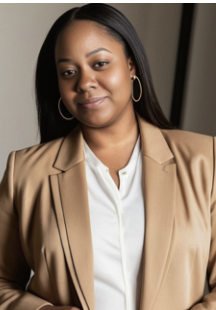
Tiara Luten (M.F.A., Fairleigh Dickinson University, creative writing; MA, Savannah College of Arts and Design, Film & Television) is a multidisciplinary storyteller and communications professional with over 20 years of expertise across strategic communications, film and television, media, public relations, and creative writing. Her career includes leadership in PR and healthcare communications, with a focus on directing high-level brand and media initiatives. In Hollywood, she refined her craft as a script supervisor before becoming an independent, award-winning writer and director, excelling in narrative development and on-set collaboration.
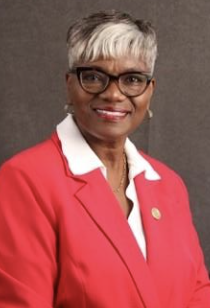
Margaret H. Williams (M.P.A., The Ohio State University, public administration) has over 27 years of professional experience in non-profit and government communications and media relations. She holds ADDY Award recognition for public relations work with Savannah’s Hospice program and a SAAVY Award from 3CMA for city government marketing videos. She has taught English and professional development at area technical colleges and local universities, and previously served as Savannah’s assistant director of public information before becoming the chief of staff to the assistant city manager.

Labs & Facilities
The Mass Communications and Journalism Labs at Savannah State University offer a cutting-edge environment designed to inspire creativity, collaboration, and hands-on learning. Located in Whiting Hall, the department boasts modern facilities that support academic excellence and professional skill development. From state-of-the-art iMac labs to an Avid ProTools audio suite and a high-definition television production studio, these resources empower students to explore every facet of media production and storytelling.
The labs feature essential tools for success, including industry-standard software like Adobe Creative Cloud, DaVinci Resolve, and Blender, as well as free access to Adobe Student Accounts and Microsoft Office downloads. Students can also take advantage of an equipment checkout program (details coming soon) and personalized support through the JMC Help Desk, offering live software assistance and virtual sessions with expert coordinators. With a focus on innovation and accessibility, these labs ensure students have the resources they need to thrive in a competitive media landscape.
Mass Communication Degree & Certificates
Students enrolled in the mass communications degree program will be assigned a mentor in the department and a professional advisor. Students are required to be counseled by an advisor prior to registering for a course. Students must earn a minimum grade of “C” in all prerequisite courses prior to registering for an upper-level course. Students must earn a minimum grade of “C” in all major courses and all courses that are appropriate to the major. Generally, the courses appropriate to the major are listed under Area F courses. Senior mass communications majors must take the departmental exit examination, produce a senior project, and submit a senior digital portfolio.
A degree in Mass Communications opens doors to a range of careers
A degree in Mass Communications opens doors to a range of careers across industries such as public relations, journalism, and digital media. In 2024, demand for media and communication roles is projected to grow by about 4% over the next decade, with new roles emerging as companies seek talent for social media and digital content creation.
Popular Careers
News Anchor / Reporter Copy Editor Video Producer / Editor Social Media Manager Publicist / Brand Manager Director / Producer Film Editor Screenwriter Camera Operator
Savannah State University’s Department of Journalism and Mass Communications is one of only three programs in the State of Georgia that is accredited by the Accrediting Council on Education in Journalism and Mass Communication. The Accrediting Council for Education in Journalism and Mass Communications (ACEJMC) advocates for the highest standards in journalism and mass communication education. Established to ensure excellence and continuous improvement, ACEJMC evaluates and accredits programs at colleges and universities around the world.
Mission Statement
Mission Statement: Revised October 8, 2018, and 2025.
The Department of Journalism and Mass Communications prepares students for careers in media, film, journalism, and strategic communications through a comprehensive liberal arts education and hands-on experience.
Goal Statement:
The overarching goals of the curriculum of the department of journalism and mass communications are to teach and mentor students in journalism and mass communications to embrace the field as a:
job: We seek to teach and mentor students for a job in journalism and mass communications that requires the performance of certain tasks and duties in exchange for compensations and benefits.
craft: We seek to teach and mentor our students to embrace journalism and mass communications as a craft which requires the mastery of certain skills and competencies.
career: We seek to teach and mentor our students for a career in journalism and mass communications that requires continued learning and development through life.
profession: We seek to teach and mentor our students in journalism and mass communications to embrace the profession as vocation requiring mastery of a body of knowledge and adherence to a code of conducts and ethics for which they are accountable to citizens, the profession, to themselves and an employer.
Long-Range Plans
Long-Range Strategic Plan
The Long-Range Strategic Plan establishes a clear direction for the unit by aligning student success, faculty excellence, and community impact with Savannah State University’s broader mission. The plan is built on four key priorities. Priority I focus on the student experience, utilizing engagement activities and the Southern Regional Press Institute (SRPI) to foster workforce readiness and strong alumni networks. Priority II promotes employee excellence by supporting faculty in innovative teaching and scholarly output to enhance academic distinction. Priority III aims to bolster brand strength through bold storytelling and strategic marketing that highlights student and faculty achievements. Finally, Priority IV emphasizes community impact by expanding partnerships, continuing school outreach, and using student media to serve the public, reinforcing the department’s role as a regional anchor.
Click here to view the department’s strategic plan.
Accessibility and Advancement Plan
The Accessibility and Advancement Plan within the Department of Journalism and Mass Communications defines success through a commitment to fairness, inclusivity, and excellence. The program ensures equitable access to learning and professional growth for all individuals, regardless of socioeconomic status, ability, or background, while also extending its scope to address international needs. Progress is monitored through key performance indicators (KPIs) that measure the unit’s effectiveness and guide strategic adjustments. To accomplish these goals, the unit implements specific diversity priorities. These include integrating multiculturalism into the curriculum (Priority 1), fostering cultural sensitivity (Priority 2), and maintaining an accessible work environment through diverse faculty recruitment (Priority 3). Additionally, the plan mandates a supportive climate that is respectful and free from harassment and discrimination (Priority 4).
Click here to view the accessibility and advancement plan.
Public Accountabilty
Department’s Retention and Graduation Rates Fall 2025 Enrollment (unit): 150 students.
Retention Rate From Fall to Fall First-Year Students
Cohort
Dept. of Journalism & Mass Communications
2024-2025
96.15%
2023-2024
84.44%
2022-2023
75.86%
2021-2022
65.12%
2020-2021
57.14%
2019-2020
67.50%
2018-2019
66.18%
2017-2018
63.60%
2016-2017
65.2o%
Average
71.24%
Savannah State University follows the University System of Georgia’s requirements when reporting graduation rates, basing its percentage on a six-year period.
The following chart illustrates graduation rates for the Department of Journalism and Mass Communications.
Graduation Rates for the Department of Journalism and Mass Communications
Cohort
Dept. of Journalism & Mass Communications
Fall 2019 to Spring 2025
40%
Fall 2018 to Spring 2024
35.29%
Fall 2017 to Spring 2023
23.81%
Fall 2016 to Spring 2022
30.49%
Fall 2015 to Spring 2021
32.79%
Fall 2014 to Spring 2020
30%
Fall 2013 to Spring 2019
37.72%
Fall 2012 to Spring 2018
33.75%
Fall 2011 to Spring 2017
25.6%
Fall 2010 to Spring 2016
23.1%
Average
31.25%
Program Student Learning Outcomes
The department has been accredited since 2007. ACEJMC requires that, irrespective of their particular specialization, all graduates should be aware of certain core values and competencies. The following competencies are specific to departmental course offerings:
PSLO 1 (First Amendment and Freedom of Expression): students will apply the principles and laws of freedom of speech and press in a global context and for the country in which the institution that invites ACEJMC is located.
PSLO 2 (History and Roles of Media): Students will demonstrate an understanding of the multicultural history and role of professionals and institutions in shaping communications.
PSLO 3 (Diversity, Equity, and Inclusion): Students will demonstrate culturally proficient communication that empowers those traditionally disenfranchised in society, especially as grounded in race, ethnicity, gender, sexual orientation and ability, domestically and globally, across communication and media contexts.
PSLO 4 (Presentation of Images and Information): Students will present images and information effectively and creatively, using appropriate tools and technologies.
PSLO 5 (Written Communication): Students will write correctly and clearly in forms and styles appropriate for the communications professions, audiences, and purposes they serve. ISLO 2 (Written Communication)
PSLO 6 (Ethical Principles): Students will demonstrate an understanding of professional ethical principles and work ethically in pursuit of truth, accuracy, fairness and diversity. ISLO 4 (Ethical Reasoning)
PSLO 7 (Critical Thinking in Information Research and Evaluation): Students will apply critical thinking skills in conducting research and evaluating information by methods appropriate to the communications professions in which they work. ISLO 1 (Critical Thinking) / ISLO 3 (Information Literacy)
PSLO 8 (Basic Numerical and Statistical Concepts): Students will effectively and correctly apply basic numerical and statistical concepts. ISLO 5 (Quantitate Literacy)
PSLO 9 (Critical Evaluation of Own and Other’s Work): Students will critically evaluate their own work and that of others for accuracy and fairness, clarity, appropriate style and grammatical correctness.
PSLO 10 (Application of Tools and Technology): Students will apply tools and technologies appropriate for the communications professions in which they work. ISLO 6 (Integrative Learning)